
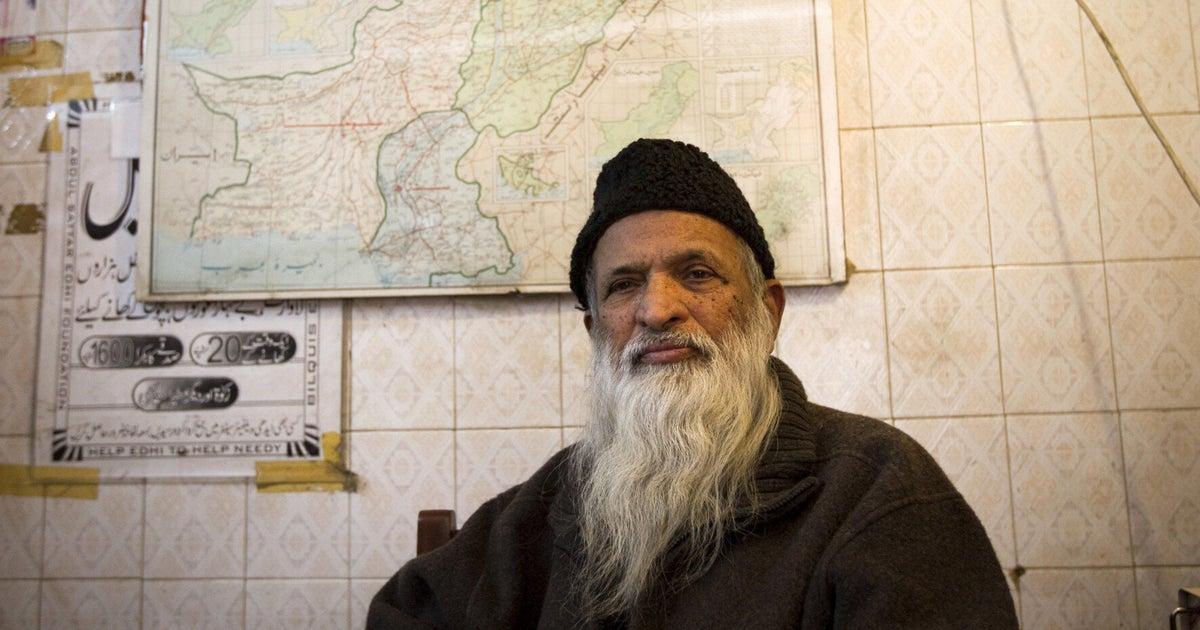
He Built a Lifeline for the Poor: The Extraordinary Story of Abdul Sattar Edhi
From modest beginnings in Pakistan, Abdul Sattar Edhi helped build a humanitarian organisation known for its volunteer ambulance network, shelters and care for people in need.
Editorial series: Extraordinary Lives — World Stories.
An ambulance is more than a vehicle
When an accident happens, the first question is often not who can pay but who will arrive in time. In Pakistan, Abdul Sattar Edhi helped build a humanitarian organisation associated with that principle: emergency assistance should reach people in need regardless of their social status or financial circumstances. His network eventually became widely recognised for operating an extraordinary volunteer ambulance service.
A modest beginning
Edhi, who was born in 1928 in what is now India and later settled in Pakistan, began providing social assistance on a small scale. A modest dispensary and community-supported services became the basis of the Edhi Foundation. Instead of waiting for an ideal institution to appear, he developed practical responses to needs directly around him.
Care beyond emergency transport
The foundation did not limit itself to ambulances. Its programmes expanded into shelters, homes for abandoned children and vulnerable adults, support for women, medical services and other social welfare work. This breadth matters: a person taken to hospital may also need shelter, care or protection afterward. Edhi treated the emergency as part of a wider human predicament.
The record that became a symbol
Guinness World Records recognises the Edhi organisation as the largest volunteer ambulance organisation. The record is a useful indication of the scale achieved, though specific fleet counts and current operations can change over time. The more important measure is the practical service provided by volunteers and workers throughout the organisation.
A public image of simplicity
Edhi became known for a modest way of life and a refusal to divide the people he served by religion, caste or wealth. Stories about his simplicity are powerful, but one personality cannot carry an emergency network alone. The foundation was built and sustained by colleagues, donors, volunteers and his family, including Bilquis Edhi, whose work deserves recognition alongside his.
A legacy larger than an individual
Edhi died in 2016, but the foundation continued operating. His example makes an unusually concrete point about compassion: caring is not only a feeling; it can be organised into vehicles, shifts, dispatch systems, shelters and reliable service. A society reveals its values not only through the people it celebrates, but through the help it makes available to those who have nowhere else to turn.
Key facts
| Fact | Verified detail |
|---|---|
| Country | Pakistan |
| Service | Emergency transport and social welfare |
| Recognition | Guinness volunteer ambulance organisation record |
| Legacy | The foundation continued after his death in 2016 |