
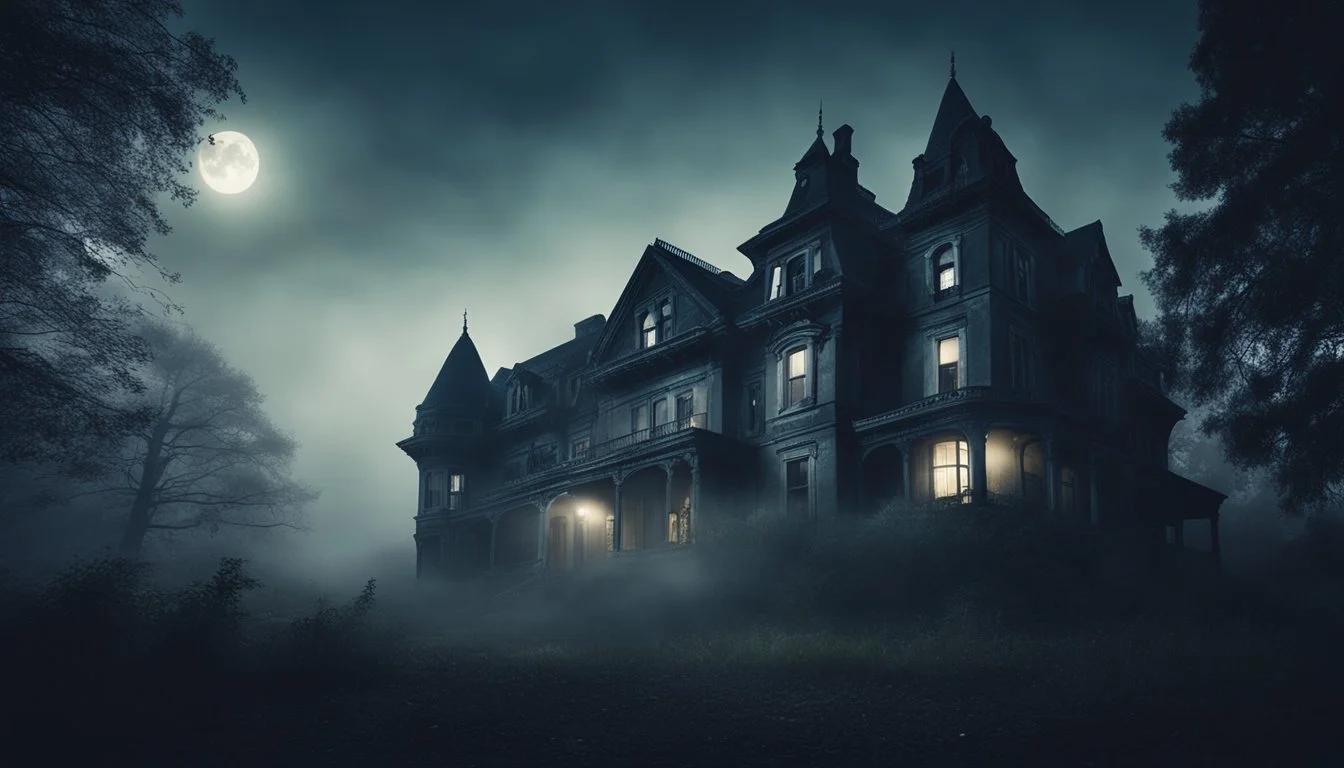
Why Do Haunted Places Fascinate Us?
An empty corridor, an old house and a door that moves unexpectedly can become the beginning of a haunting story. Why are ordinary spaces sometimes transformed into objects of fear and fascination?
Uncertainty Invites the Imagination
People constantly interpret incomplete information. In darkness or unfamiliar surroundings, it can be difficult to identify sounds, shadows or movement. Our expectations may influence which explanation first comes to mind.
That does not establish that a place is supernatural. It shows how perception operates when information is limited.
The Power of an Existing Story
Imagine visiting an abandoned building without knowing anything about it. Now imagine being told that unusual events happened there years ago. The same creaking floorboard may suddenly feel more significant.
Stories shape attention. Once we expect something eerie, we may become especially alert to ambiguous details.
Horror in a Safe Setting
Many people enjoy frightening films and stories because they can explore threat, suspense and uncertainty while remaining physically safe. The attraction varies by person; not everyone enjoys intense fear.
Architecture, Memory and Folklore
Old buildings can carry associations with loss, history, isolation or unfamiliar customs. Local legends give these spaces narrative identities. Such stories may have cultural importance even when their supernatural claims cannot be verified.
How to Evaluate a Haunting Claim
- Distinguish firsthand observations from retellings.
- Consider ordinary environmental explanations.
- Check whether photographs or recordings have context.
- Avoid treating an unexplained event as proof of a particular cause.
- Respect safety and property boundaries; abandoned buildings can be dangerous.
The Main Idea
Haunted-place stories are compelling because they combine uncertainty, memory, imagination and the human desire to explain the unknown. They are fascinating as culture and psychology even without assuming supernatural causes.